The hidden costs of an unstructured return process
Returns are inevitable in any supply chain. Whether you sell consumer electronics, sports equipment or household appliances — a percentage of products sold always comes back. The question is not whether you get returns, but how you handle them. And that makes the difference between loss and value creation.
Many businesses underestimate the impact of a messy return process on their operations. The direct costs are visible: shipping, labor, material loss. But the indirect costs — customer loss, reputation damage, inefficient communication between chain partners — are often many times greater.
What goes wrong without structure?
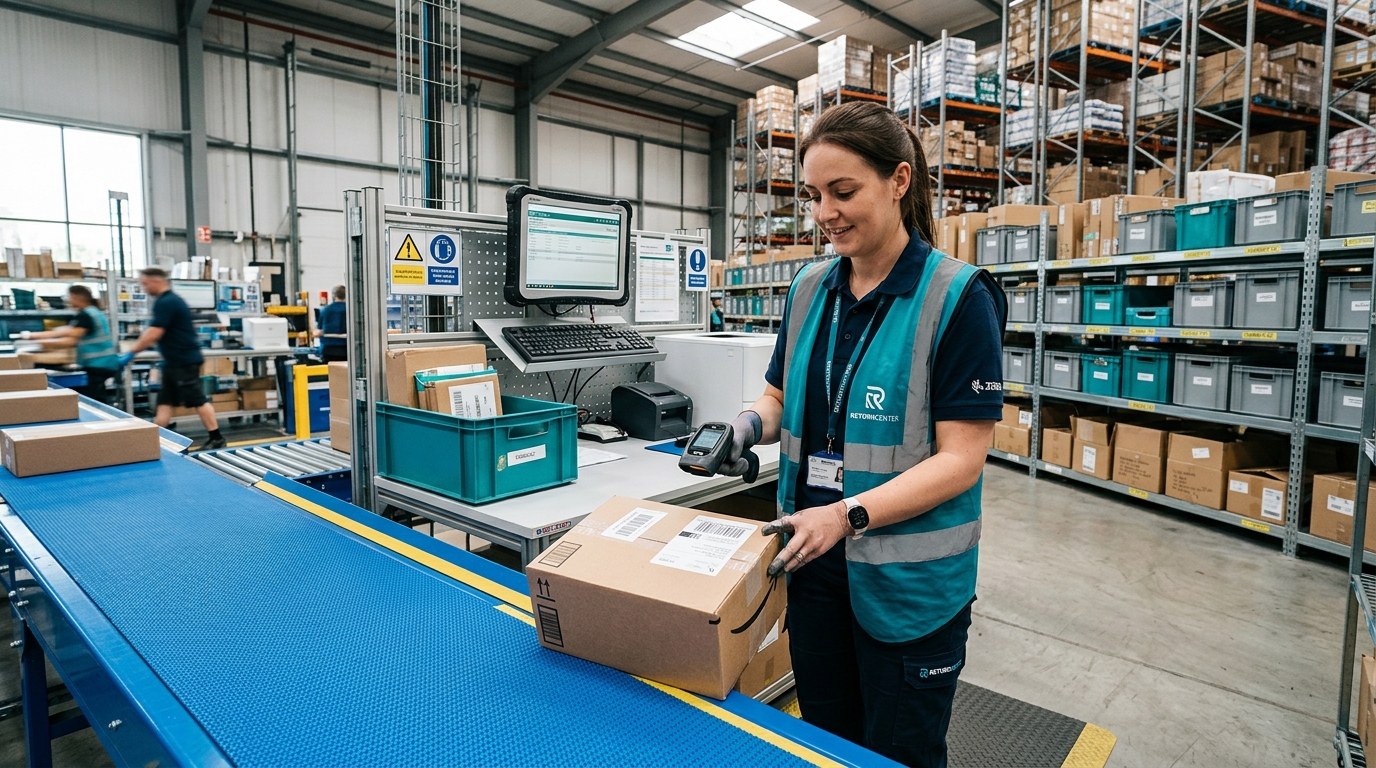
Let us sketch a typical scenario. A consumer wants to return a product to the retailer. The retailer sends an email to the supplier with the request. The supplier receives the email — if all goes well — among dozens of other messages. An Excel file is opened to register the return. Meanwhile, the consumer calls the retailer: "What is the status of my return?"
The retailer cannot give the answer, because the supplier has not yet responded. More emails follow, more phone calls. The turnaround time increases. The consumer is frustrated. The retailer is frustrated. And the supplier has no overview of how many returns are outstanding.
The five most common problems
- Information fragmentation — Return data is spread across emails, spreadsheets and notes. Nobody has the complete picture.
- Lack of status visibility — Both retailers and consumers have no insight into where a return is in the process.
- Manual communication — Every status update requires a phone call or email, which costs time and is error-prone.
- No audit trail — When a dispute arises about a return, there is no structured evidence of what was agreed.
- Financial ambiguity — Who pays what? Without clear cost registration, invoices pile up or are disputed.
The benefits of a structured RMA platform
A platform like OneHup digitalizes the complete return process. From the moment a return request comes in to the financial settlement — everything is traceable, automated and transparent for all parties involved.
Automatic workflows
With over 126 configurable status options, you can adapt the workflow to your specific situation. A return request automatically goes through the right steps: intake, assessment, shipping, receipt, repair or replacement, and financial settlement. At each step, the right people are automatically informed.
Multi-party collaboration
Retailers, suppliers and brands work together in one environment. Everyone sees what is relevant to their role, without access to confidential information from other parties. Communication runs through the platform — no more loose emails getting lost.
Real-time insight
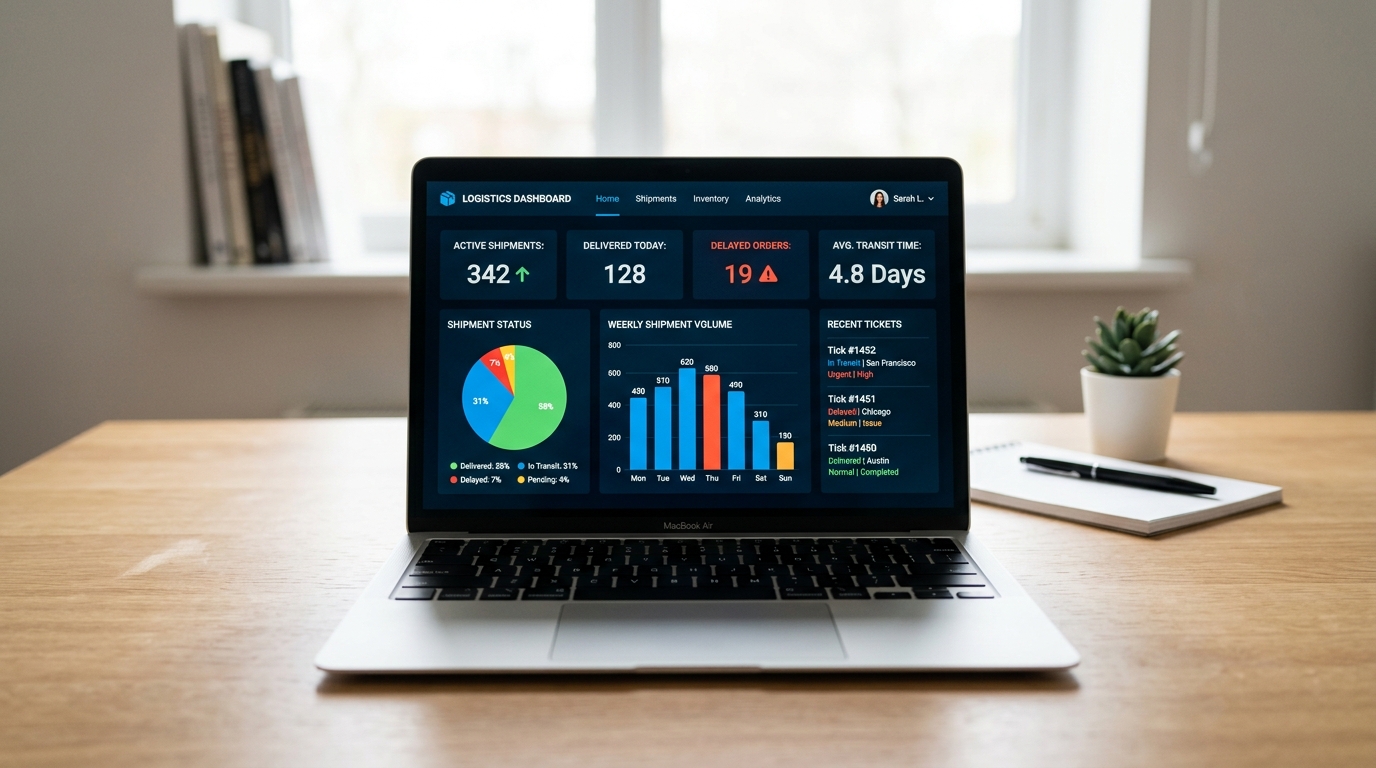
Dashboards immediately show how many returns are outstanding, what the average turnaround time is and where the bottlenecks are. With this data, you can continuously improve processes and act proactively instead of reactively.
The business case
The investment in an RMA platform often pays for itself within a few months. Not only through time savings, but also through:
- Lower shipping costs through optimized logistics
- Fewer incorrect returns through better intake validation
- Higher customer satisfaction through faster turnaround times
- Better supplier relationships through transparent communication
- More accurate financial reporting
Conclusion
A structured return process is not a luxury, but a necessity for any business dealing with product returns. It saves time, lowers costs, improves relationships with customers and partners, and gives you the data you need to continuously improve.
Curious how OneHup can transform your return process? Request a personal demo and discover it yourself.