The challenge of warranty handling
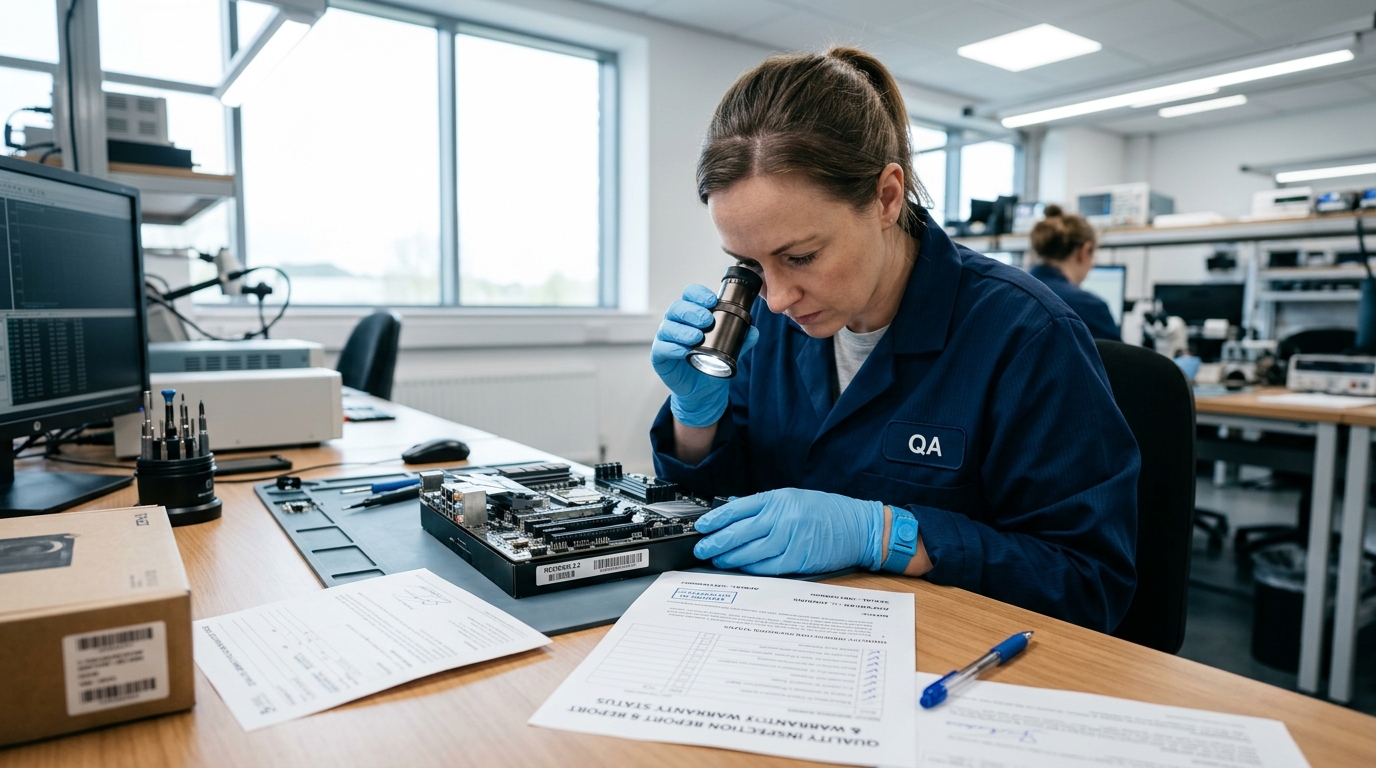
A consumer buys a product from a retailer. After three months, the product turns out to be defective. The consumer returns to the store. The retailer must now determine: does this fall under warranty? And if so, who is responsible — the retailer itself, the supplier, or the manufacturer?
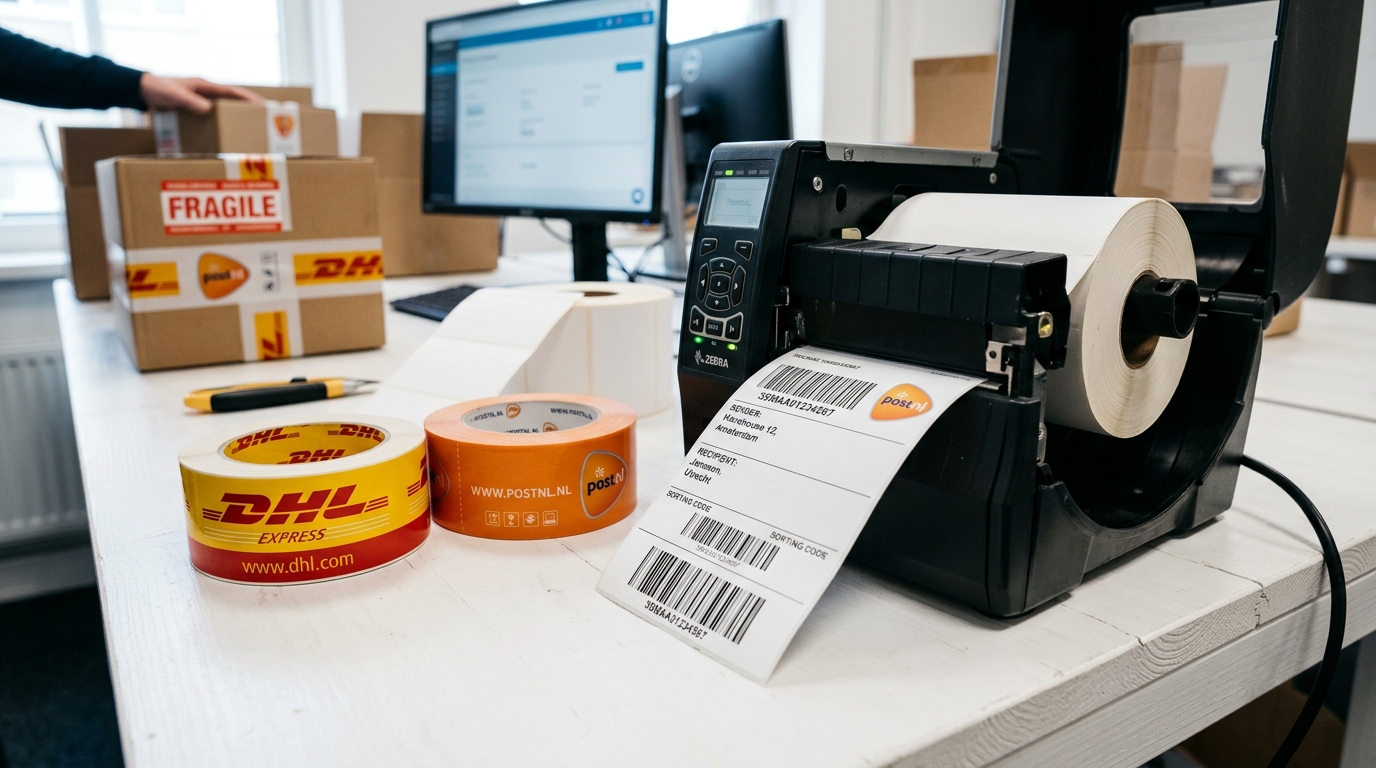
This seems like a simple question, but in practice it rarely is. Warranty conditions differ per product, per brand, per country. Communication between retailer, supplier and brand runs via email, phone and sometimes even fax. Documents get lost. Deadlines are missed. And meanwhile, the consumer waits.

Why traditional methods no longer work
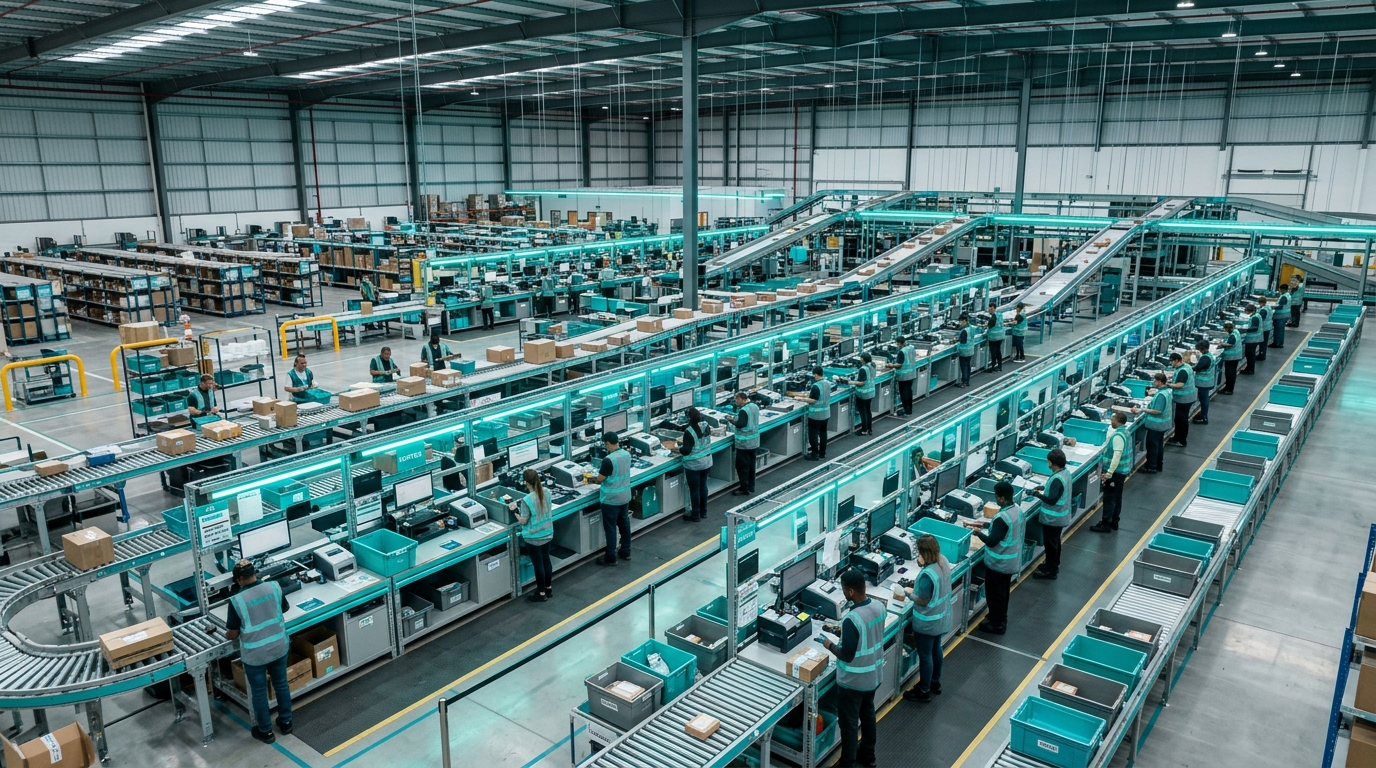
The traditional way of warranty handling — via separate emails and spreadsheets — may have worked when volumes were low. But with growing product catalogs, international supply chains and ever-higher customer expectations, manual handling is no longer sustainable.
The cost of inefficiency
Research shows that businesses spend an average of 15-25% more on warranty handling than necessary, simply due to process inefficiencies. Think of:
- Duplicate assessments because earlier information is not available
- Unnecessary shipping costs due to incorrect routing
- Missed deadlines leading to penalties or goodwill costs
- Time lost searching for information in different systems
Everything in one platform
OneHup brings all parties together in one environment. The retailer submits a warranty claim with all relevant information: product data, proof of purchase, photo of the defect, problem description. The supplier receives the claim directly and can assess it without having to request additional information.
Structured workflow
Every warranty claim goes through a defined workflow with clear responsibilities. From intake to assessment, from repair to financial settlement — every step is recorded and traceable. Automatic notifications ensure nobody misses a deadline.
Cost management and approval
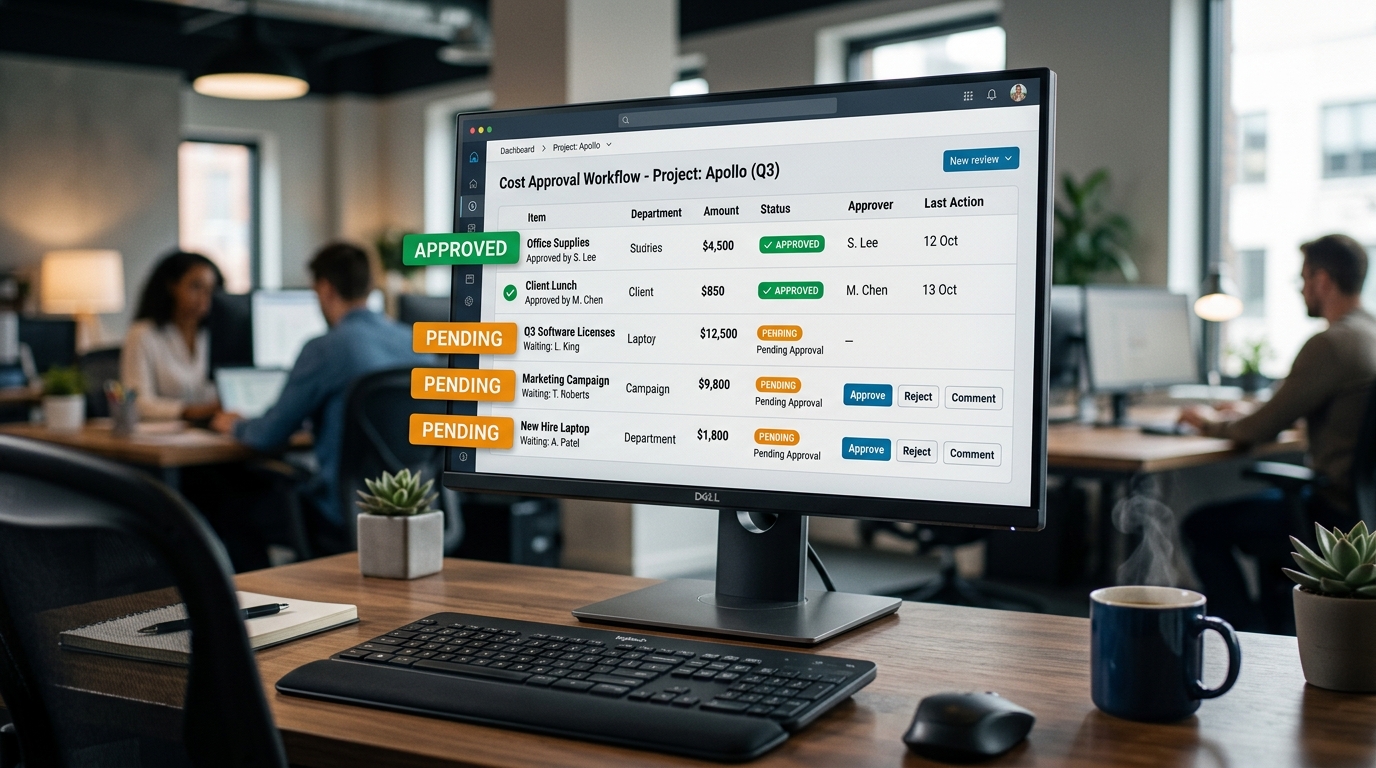
Financial interests always play a role in warranty claims. Who pays for the repair? Who bears the shipping costs? Who credits the retailer for a replacement product?
In OneHup, you can add cost items to every case. These costs become visible to the relevant parties and can be approved before they are invoiced. This prevents surprises and disputes afterwards.
Multi-currency support
Working internationally? OneHup supports multiple currencies with current exchange rates. A French retailer can submit a claim in euros while the British supplier sees the costs in pounds. The system converts automatically, so all parties work in their own currency.
Data-driven improvement
A digital warranty system delivers not only operational benefits, but also valuable data. Which products generate the most claims? Which defects occur most frequently? Which suppliers deliver the fastest repairs?
With these insights, you can act proactively: implement product improvements, hold suppliers accountable for quality, and optimize your warranty policy based on facts rather than assumptions.
Conclusion
Digitalizing warranty handling is more than a process improvement — it is a strategic step that makes your entire after-sales chain more transparent, efficient and profitable. With OneHup, you have the tools to make this happen.